To Inspire More Singing
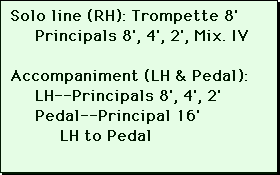
18. When using SOLO LINES in congregational accompaniment, avoid softer solo stops; use large reed or principal stops or combinations to lead out. Be sure the accompanimental combination (as well as the solo combination) is supportive enough for the congregation.
The solo line (usually the right hand) should stand out from the sound of the congregation and the organ accompaniment (left hand and pedal). The accompaniment should be solid enough that the singers still feel supported. Otherwise, they may stop singing as they feel their support dwindle.
Registration for a “solo and accompaniment” verse such as this usually requires two carefully-set general combination pistons or toe studs: one for the verse itself and another for the following verse that uses chorus-type registration.